Relying on a two-year deadline could be a costly mistake
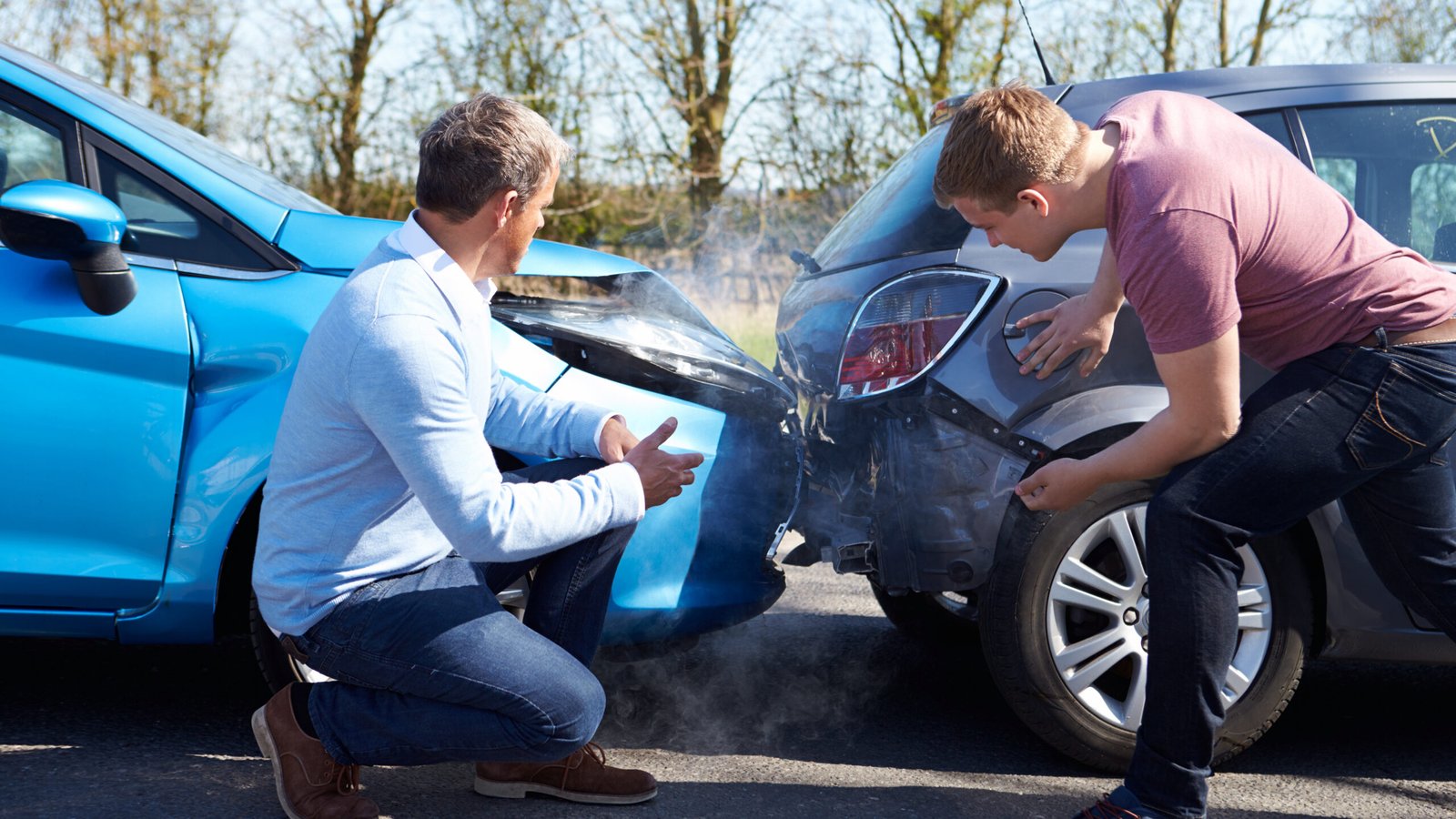
Imagine you are driving through Pasadena when a government-owned vehicle changes lanes and strikes your car.
Or you are standing inside a Metro bus when the driver brakes suddenly and you are thrown to the floor.
Or perhaps you are crossing a street in Monterey Park when a city vehicle turns through the intersection and hits you.
You go to the hospital. You notify your insurance company. You begin treatment.
Someone tells you:
“Don’t worry. California gives you two years to file a personal injury lawsuit.”
That statement may generally be true for many ordinary California personal injury cases.
But if a government agency or public employee may be responsible, relying on that two-year deadline could be a costly mistake.
California Courts warns that before suing a government agency, an injured person generally must first submit an administrative claim—and for personal injury, that claim ordinarily must be presented within six months of the injury.
Six months can disappear quickly while someone is recovering from surgery, attending physical therapy, dealing with insurance companies and trying to return to work.
That is why one of the most important questions after an accident is not simply:
“Who caused it?”
It is:
“Who caused it—and are they connected to a government agency?”
If you were injured in an accident involving a Metro bus, public vehicle, government employee or other public entity, call Doyle Accident & Personal Injury Attorneys at 626-737-0036 for a free case evaluation.
Doyle serves clients throughout Los Angeles County from offices in Pasadena, Alhambra and Monterey Park.
The Deadline Most Accident Victims Do Not Expect
For a typical California personal injury claim against a private person or company, the general statute of limitations is two years from the injury.
Government claims operate differently.
California Courts explains that a person seeking compensation from a government agency generally must first present a claim to that agency. For personal injuries or damage to personal property, the deadline is generally six months from the injury.
That rule can potentially affect accidents involving:
- Metro buses or other public transit vehicles
- City-owned vehicles
- County vehicles
- Public school buses
- Police vehicles
- Fire department vehicles
- Public works trucks
- Government employees driving within the scope of their duties
- Dangerous conditions of government property
California Courts specifically identifies bus and light-rail agencies, schools, law-enforcement agencies, cities and counties as examples of government entities for which special claim requirements may apply.
That distinction can dramatically change what an accident victim needs to do next.
Why a Metro Bus Accident Is Different From an Ordinary Car Crash
Los Angeles Metro is not simply another transportation company.
It is a public transportation agency.
Metro’s own Legal Services department maintains a formal Claims for Damages procedure for people who believe they have suffered personal injury or property damage. Metro states that completed claim forms are accepted in person or by mail and that emailed claims are rejected.
That administrative process matters because filing a lawsuit is typically not the first step.
The government-claim requirement comes first.
Consider two hypothetical accidents.
In the first, a privately owned delivery van runs a red light and injures you.
In the second, a publicly operated bus makes the same maneuver.
The injuries could be identical.
The medical bills could be identical.
But the procedural deadlines may be very different.
That is why correctly identifying the vehicle owner and responsible agency is so important.
Bus Companies Also Owe Passengers a Heightened Duty of Care
Government-claim deadlines are not the only distinctive issue in public transportation cases.
California treats passenger carriers differently from ordinary motorists.
California’s civil jury instructions state that a common carrier must use the highest care and the vigilance of a very cautious person to transport passengers safely. The carrier is not an absolute insurer of passenger safety, but it must exercise the high degree of care reasonably required under the circumstances.
This can become relevant when a passenger is injured because of:
- An abrupt or unusually violent stop
- A collision with another vehicle
- Unsafe acceleration
- Improper boarding or unloading
- Defective equipment
- Failure to protect passengers from a foreseeable transportation hazard
However, being injured aboard a bus does not automatically establish negligence.
For example, ordinary starts and stops are part of public transportation. The investigation must determine whether something unreasonable occurred and whether it caused the injury.
Metro Operates on an Enormous Scale
Public transit accidents should also be understood in context.
Los Angeles Metro reported approximately 305 million boardings during 2025, demonstrating the enormous scale of its operations.
Metro’s January 2025 Public Transportation Agency Safety Plan reported 102 bus collisions during calendar year 2023, including 76 vehicle collisions and 26 pedestrian collisions within the federal reporting categories used by the agency.
Those statistics do not mean Metro is unsafe or legally responsible for every incident.
They demonstrate why an enormous public transit network must continuously manage collision risks involving passengers, motorists, bicyclists and pedestrians.
And when an accident occurs, liability must be determined from evidence—not assumptions.
Who Could Be Responsible? The Bus or Government-Vehicle Driver?
A public employee may have been negligent by speeding, failing to yield, following too closely, making an unsafe turn or driving distracted.
But when that employee was acting within the scope of government employment, the responsible public entity may also become part of the claim.
Another Driver
Not every accident involving a Metro bus is Metro’s fault.
A private motorist may cut in front of the bus, run a red light or create an emergency that forces the bus operator to brake suddenly.
That driver could potentially bear some or all responsibility.
Multiple Parties
California follows comparative-fault principles, so responsibility can potentially be divided among multiple parties.
A collision might involve a public agency, private driver, commercial employer or another entity.
That is why investigators must look beyond the obvious defendant.
Evidence Can Be Especially Important in Transit Cases
Modern public transportation systems generate substantial amounts of information.
Metro states that its system includes tens of thousands of surveillance cameras across buses, trains, stations and stops.
Depending on the accident, potentially relevant evidence may include:
- Bus surveillance footage
- Exterior vehicle cameras
- Driver reports
- GPS information
- Dispatch records
- Passenger statements
- Police reports
- Traffic-camera video
- Witness cellphone footage
- Vehicle maintenance records
- Photos of the scene
- Medical records
The problem?
Evidence does not necessarily remain available forever.
Video may eventually be overwritten. Memories fade. Vehicles return to service. Physical conditions change.
An injured person should not assume that a public agency or insurance administrator will preserve every piece of evidence that could support the victim’s claim.
What Happens After You File the Government Claim?
California Courts explains that a government agency generally has 45 days to respond to a properly presented claim.
If the agency sends a written rejection, the claimant generally has six months from the mailing of that rejection to file a lawsuit.
If the agency does not respond within the applicable period, different deadlines may apply, potentially including as much as two years from the date of injury.
This is why government claims can be confusing.
There may be one deadline to present the administrative claim—and another deadline to file the lawsuit afterward.
Missing either may seriously jeopardize the case.
“I Didn’t Know It Was a Government Vehicle” May Not Solve the Problem
Imagine being struck by a vehicle that looks like an ordinary shuttle.
Only later do you learn it was operated for a public transportation authority.
Or perhaps an employee driving a city-owned sedan causes the accident.
The vehicle may not have looked like a police car or government truck.
The legal identity of the responsible party matters more than appearances.
After an accident involving an unfamiliar fleet or commercial-looking vehicle, determining ownership and employment relationships can therefore be critical.

What Should You Do After an Accident Involving a Government Vehicle?
First, obtain appropriate medical treatment.
Then, if circumstances allow:
Document the scene. Photograph the vehicles, license plates, agency markings, roadway and injuries.
Identify the agency. Record the public entity’s name, vehicle number and identifying information.
Get witness information. Passengers and bystanders may become important witnesses.
Preserve documents. Keep medical records, bills, wage-loss information and correspondence.
Request or preserve video promptly. Camera footage can become crucial.
Do not assume the ordinary two-year deadline applies.
Most importantly, consider obtaining legal advice promptly.
Six Months Is Longer Than an Emergency Room Visit—But Shorter Than Most People Think
An accident victim may spend the first month simply recovering.
Then come specialist appointments.
Physical therapy.
Insurance calls.
Vehicle repairs.
Missed work.
Another MRI.
Another doctor’s appointment.
Suddenly, five months have passed.
That is exactly why California’s government-claim deadline deserves immediate attention.
A legal claim should never take priority over urgent medical care.
But once the emergency has passed, identifying the responsible parties and deadlines should not be postponed unnecessarily.
Because in a public-entity injury case, waiting for two years could mean waiting far too long.
If you or someone you love has been injured by a Metro bus, municipal vehicle, government employee or other public entity in Los Angeles County, call Doyle Accident & Personal Injury Attorneys at 626-737-0036 for a free case evaluation.
Doyle Attorneys have offices in:
Pasadena
301 N. Lake Avenue, 6th Floor
Pasadena, CA 91101
Alhambra
560 W. Main Street, Suite C-244
Alhambra, CA 91801
Monterey Park
199 W. Garvey Avenue, Suite 206
Monterey Park, CA 91754
Call 626-737-0036. The case evaluation is free.
A breakdown may be unavoidable.
A preventable roadside collision should not be dismissed as simply “bad luck.”
Glossary
Administrative Claim: A formal claim generally presented to a government agency before a lawsuit against that agency may proceed.
Common Carrier: An entity transporting passengers for compensation and subject to a heightened duty of care under California law.
Comparative Fault: California’s system for dividing responsibility when multiple parties contributed to an injury.
Damages: Compensation potentially recoverable for legally recognized injury-related losses.
Government Claims Act: California statutes establishing procedures and deadlines for many claims against public entities.
Liability: Legal responsibility for an injury or loss.
Negligence: Failure to exercise the legally required level of care under the circumstances.
Public Entity: A governmental body such as a city, county, school district or public transit authority.
Statute of Limitations: A legal deadline for filing a lawsuit.
Vicarious Liability: A legal doctrine under which an employer or other entity may be responsible for qualifying acts of an employee.
References and Resources
- California Vehicle Code §21809 — Current Move Over requirements effective January 1, 2026.
- California Highway Patrol — New Year, New Laws: 2026 — CHP explanation of AB 390.
- California DMV — New Laws in 2026 — DMV summary of the expanded law.
- NHTSA — Move Over: It’s the Law — National explanation of Move Over laws and roadside safety.
- AAA Foundation for Traffic Safety — Highway Heroes at Risk — Research concerning roadside-assistance-provider fatalities.
- California FY2025 Annual Grant Application — California/NHTSA discussion of roadside-worker fatality data.
This article is provided for general informational purposes only and is not legal advice. Every accident claim depends on its individual facts, evidence, insurance coverage and applicable deadlines.

#LosAngelesBusAccidentLawyer #MetroBusAccidentAttorney #GovernmentVehicleAccident #CaliforniaGovernmentClaim #PublicEntityClaim #PasadenaPersonalInjuryAttorney #PasadenaAccidentLawyer #AlhambraAccidentLawyer #MontereyParkAccidentLawyer #LosAngelesCountyAttorney #BusAccidentLawyer #CaliforniaPersonalInjury #PublicTransitAccident #SixMonthDeadline #DoyleAccidentAttorneys