Injured While Working as a rideshare or delivery driver in California can flip your life upside down in seconds.
You spend your days helping other people get what they need.
You pick up riders at LAX and drop them in Pasadena. You deliver pho in Alhambra at 9pm, groceries in East LA at noon, and Amazon packages on weekends. You hustle, juggle multiple apps, watch your ratings, and try to keep your car on the road.
Then one shift, it happens.
You’re on your way to pick up a passenger when a speeding SUV plows into your door.
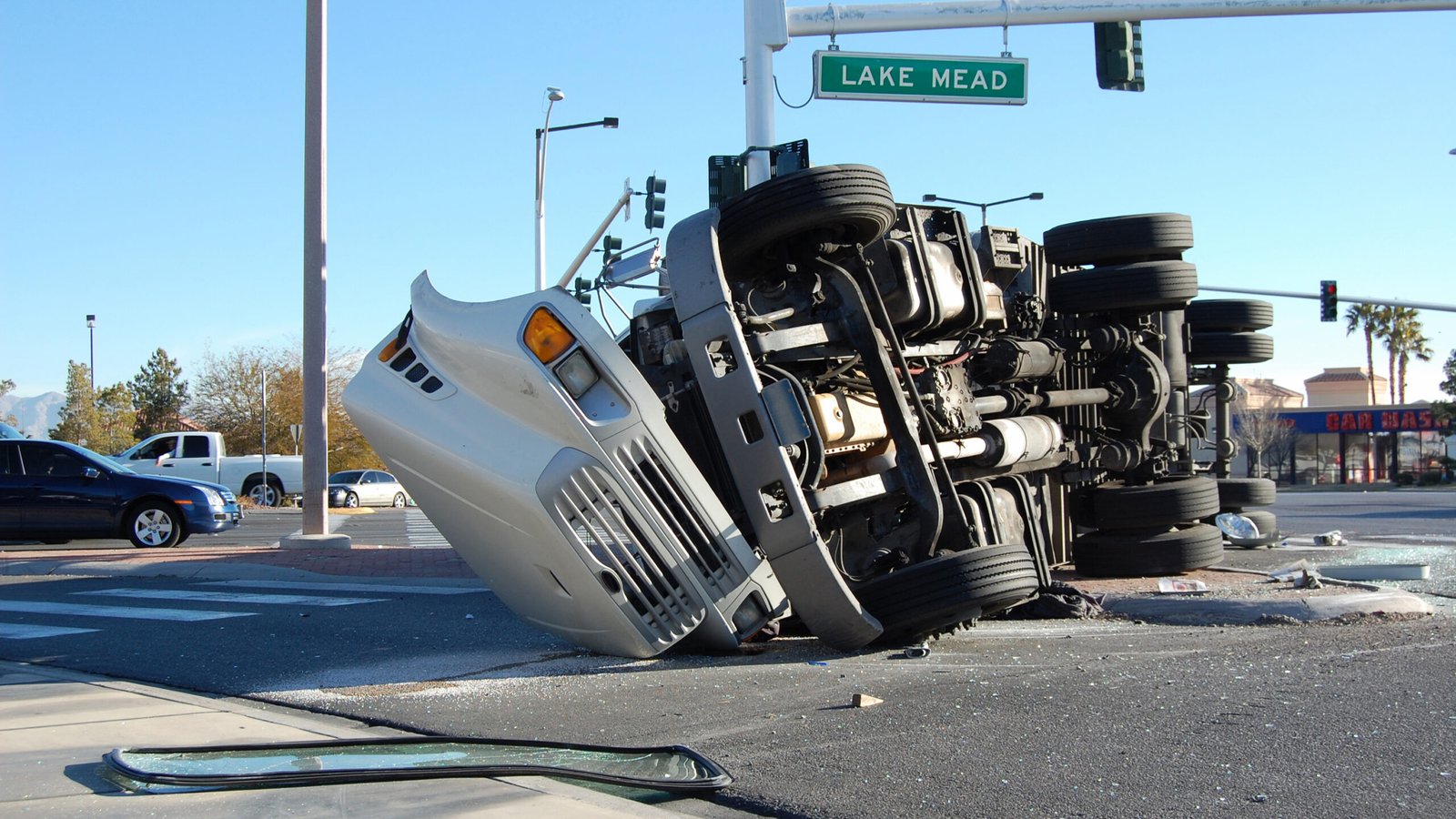
Or a driver runs a red light while you’re delivering an order and totals your car.
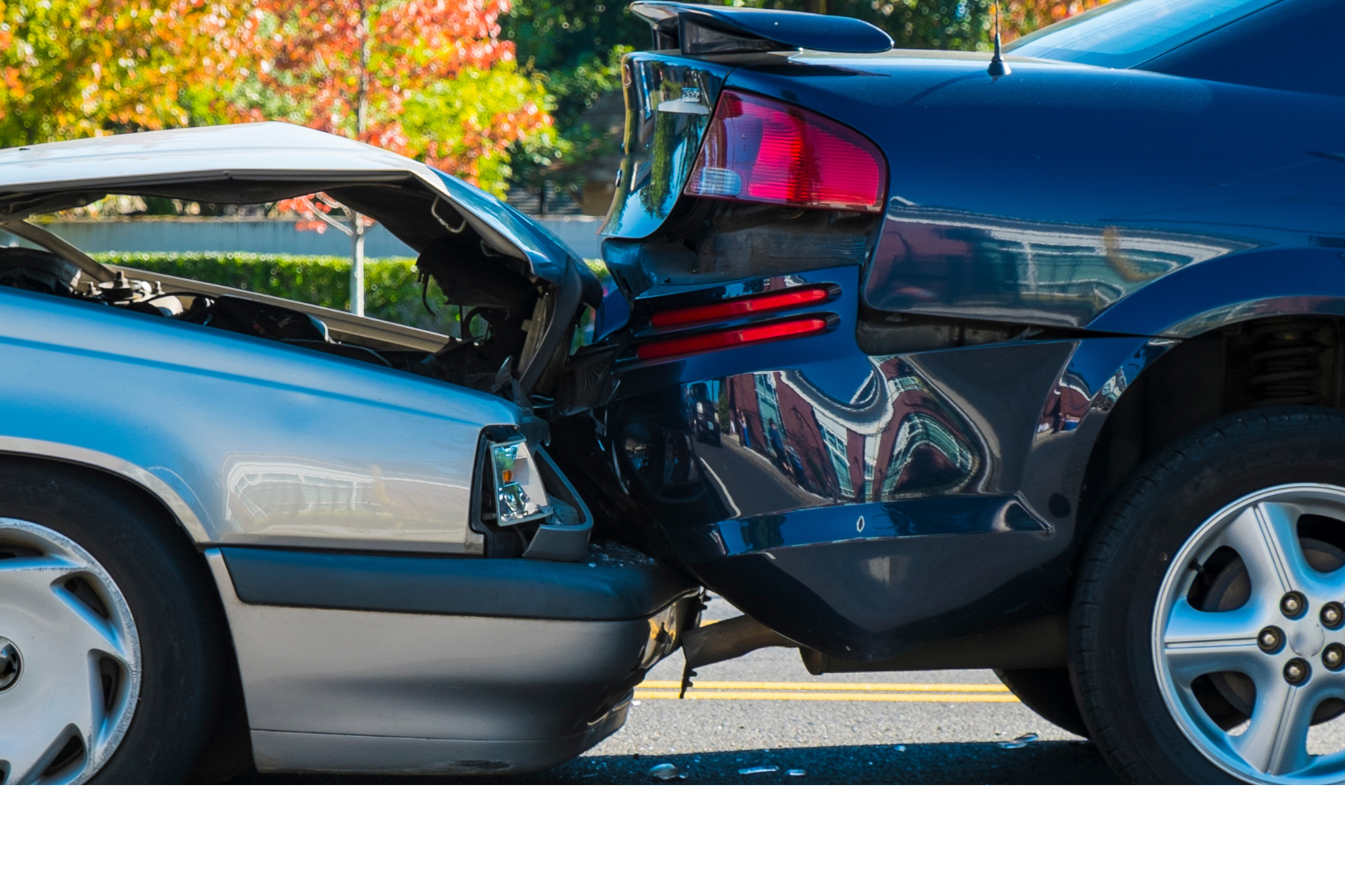
Or you get rear-ended on the way back from a drop-off, logged into the app but not actively on a trip.
Now you’re hurt, the car is out of commission, and the apps just keep sending notifications like nothing happened.
The big questions hit fast:
- Who’s supposed to pay for this?
- Does the app’s insurance apply, or is it “your problem”?
- Are you covered while you’re waiting for a ping—or only with someone in the car?
If you’re a rideshare or delivery driver hurt on the job in California, you’re stuck in the middle of a system that’s confusing on purpose. But you are not powerless.
If you’ve been injured while driving for Uber, Lyft, DoorDash, Instacart, Amazon Flex, or any other gig platform, you can call Doyle Accident & Injury Attorneys at (626) 737-0036 for a free consultation about your options.
Life After Prop 22: What It Means If You’re Injured While Working
A lot has changed—on paper and in real life.
You’re (Still) an Independent Contractor
In 2020, California voters passed Proposition 22, a ballot measure pushed by app companies to classify most app-based drivers as independent contractors, not employees.
In July 2024, the California Supreme Court upheld Prop 22, confirming that ride-hailing and delivery companies can keep drivers as contractors, not employees.(Callabor Law)
What that means for you:
- You generally don’t get traditional workers’ compensation like employees do
- You don’t get paid sick leave, unemployment, or standard employee benefits
- You’re responsible for your own taxes and many of your own expenses
You Do Get Limited “Injury Protection” Under Prop 22
To sell Prop 22 to voters, companies promised a special set of benefits. Under this law, app companies must provide occupational accident insurance for drivers while they are “engaged” in a ride or delivery—that is, from the moment you accept a request until the trip or delivery is completed.(Milliman)
These benefits typically include:
- Coverage for medical expenses up to a certain limit (often around $1,000,000)
- Disability payments based on a percentage of your average earnings
- Some death benefits for surviving family if the worst happens
But there are catches:
- Coverage usually applies only during active trips, not when you’re just logged in and waiting
- Benefits are more limited than workers’ comp
- Each company’s details and fine print are different
So yes, there is some protection—but it’s narrower than many drivers realize

A New Twist: Union Rights and Reduced Insurance Requirements
In October 2025, California passed a landmark law letting more than 800,000 Uber and Lyft drivers unionize and collectively bargain—while still staying independent contractors under Prop 22.(AP News)
Great news, right? Sort of.
As part of the political deal:
- The state agreed to lower insurance coverage requirements for certain crashes involving underinsured drivers—reducing coverage that used to be around $1 million per incident down to about $60,000 per person and $300,000 per crash in some situations.(The Guardian)
In plain English:
Drivers may gain a future path to better pay and working conditions through unions, but in the short term, some insurance safety nets just got thinner.
All of this makes it even more important to understand which coverage applies to your specific crash right now, not someday.
Which Insurance Applies – App, Personal, or Third Party?
Which policy actually helps when you’re Injured While Working depends on whether you were offline, waiting for a ping, or on an active trip.
Most gig-driving crashes in California involve a messy mix of:
- The other driver’s auto insurance
- The app’s commercial or platform policy
- Your own auto insurance
And the answer changes depending on what you were doing at the time of the crash.
A common framework (especially for Uber and Lyft) breaks your time into three “periods”:(Uber)
Period 0: You’re Not in the App
- You’re offline, driving for personal reasons.
- Your personal auto insurance is usually the only coverage.
If you’re hit by another driver, you’d pursue a claim against them like any other crash—and possibly under your own uninsured/underinsured motorist (UM/UIM) coverage.
Period 1: Logged In, Waiting for a Request
- You’re online in the app, but haven’t accepted a ride/delivery.
- Some companies provide limited liability coverage during this waiting time, which might help if you injure someone else.
- Your personal policy may still be primary, and there can be gaps if your insurer treats app driving as “commercial use” and tries to deny coverage.
This is one of the most confusing gray zones.
Period 2 & 3: On an Active Trip or Delivery
- You’ve accepted a request and you’re en route to pick up, or you have a passenger/order in the car.
- Rideshare companies typically provide up to $1 million in liability coverage, plus uninsured/underinsured motorist coverage and occupational accident coverage under Prop 22 during these phases.(Uber)
- For delivery apps like DoorDash, your personal auto policy is usually primary, and the company often provides contingent coverage that kicks in only after your own limits are exhausted—and usually only for injuries or damage you cause to others, not yourself.(West Coast Trial Lawyers)
So, if you’re injured while:
- Driving a passenger → App’s occupational accident and UM/UIM coverage may help with your injuries.
- Delivering food → The app’s commercial policy may help pay third parties, but your own health and income may depend heavily on your personal auto and health insurance, plus any occupational accident coverage.
Clear? Not really. That’s why getting a careful policy review after a crash is so important.
Real-World Crash Scenarios for Gig Drivers
Let’s make this concrete with some relatable examples.
Scenario 1: T-Boned On the Way to a Pickup
You: Ahmad, Uber/Lyft driver in Pasadena.
Situation: You accept a ride near Old Town and are driving along Lake Avenue to pick up the passenger. A driver runs a red light and slams into your side.
You’re:
- “On app,”
- On an active trip (en route to pickup),
- Clearly not at fault.
Possible coverages:
- The at-fault driver’s liability insurance (if they have it and enough of it)
- Your platform’s $1 million liability and UM/UIM coverage for injuries caused by uninsured or underinsured drivers
- Prop 22 occupational accident benefits, including medical and partial wage replacement while you’re unable to drive(Rose, Klein & Marias LLP.)
An attorney can help line these up in the right order and fight for a fair overall recovery.
Scenario 2: Waiting for a Ping, Rear-Ended in Traffic
You: Carla, part-time Lyft and DoorDash driver in Alhambra.
Situation: You’re parked at the curb, app open, waiting for the next request. A distracted driver slams into the back of your car.
You think: “I’m not technically on a ride, so will the app help at all?”
Possible coverages:
- The rear driver’s liability insurance should be primary (rear-end collisions are usually their fault).
- If they’re uninsured or underinsured, your own UM/UIM coverage becomes critical.
- Some app policies may extend limited liability coverage while you’re just waiting, mostly to cover damage or injuries you cause to others—not necessarily your own injuries.(Uber)
Without a careful review, drivers often leave money on the table or assume they’re stuck with just their own health insurance.
Scenario 3: Hit While Delivering Food
You: Miguel, DoorDash and Uber Eats driver in East LA.
Situation: You’re carrying a delivery in the car when another driver speeds through a yellow light and broadsides you.
Possible coverages:
- The at-fault driver’s liability coverage
- Your own auto policy (primary in many delivery setups)
- The app’s contingent commercial policy, but often only after your policy is used up, and mainly for third-party injuries/property damage, not your own injuries(West Coast Trial Lawyers)
- Any occupational accident policy provided by the app or one you purchased
Sorting this out alone, while you’re in pain and not earning, is a lot to ask.
Curious how these types of crashes work in LA County?
👉 Read our guide to Micromobility Accident Claims in Los Angeles County.

What To Do Right After You’re Injured While Working On a Gig App
If you were Injured While Working and you’re still logged into the app, these steps are critical to protect your health and your claim.
No matter which app you’re working for, a few steps are critical if you’re involved in a crash:
- Get Medical Help First
Call 911 if needed. Let paramedics check you at the scene. Even if you don’t go to the hospital right away, see a doctor as soon as possible. Some injuries (like concussions, soft tissue injuries, and spine problems) show up hours or days later.
- Call the Police and Get a Report
A police report can help establish:
- Who was involved
- Who may have been at fault
- Whether any tickets were issued
- Insurance information
Without a report, insurance companies have more room to argue about what really happened.
- Take Photos and Gather Info
If you can:
- Photograph vehicle damage, your injuries, the roadway, traffic lights/signs, and any skid marks
- Get contact info from witnesses
- Note camera locations (businesses, houses, intersections) that might have captured the crash
- Report the Crash to the App—Carefully
Most apps require you to report accidents in the driver portal. Stick to the basic facts. Don’t guess about fault, injuries, or long-term impact.
- Be Very Careful With Insurance Adjusters
You may get calls from:
- The other driver’s insurer
- Your own auto insurer
- The app’s claims department
They may want a recorded statement or quick settlement. Remember: their job is to limit what they pay, not to look out for your future.
Talking with an attorney first can help you avoid saying things that hurt your claim.
Want to know what your claim might be worth?
👉 Learn more about How Damages Are Calculated in California Injury Cases
Mistakes That Can Jeopardize a Gig Driver’s Claim
Here are some common missteps that can cost you thousands:
- Downplaying your injuries.
Telling EMTs or doctors “I’m fine” when you’re not can show up in your medical records later. - Waiting too long to see a doctor.
Insurers love to argue: “If you were really hurt, you would’ve gone in right away.” - Not telling your doctor you were working for an app.
It’s important that your medical records connect your injuries to the crash and the fact that it happened while you were driving for work. - Giving recorded statements you don’t understand.
Casual comments can get twisted against you.
Trying to handle a complex, multi-policy claim alone.
Between Prop 22 benefits, app insurance, personal auto coverage, and the other driver’s policy, there’s a lot to juggle.
How Doyle Accident & Injury Attorneys Protects Injured Gig Workers
If you’ve been hurt while driving for Uber, Lyft, DoorDash, Instacart, Amazon Flex, or any other platform, you are juggling:
- Pain
- Lost earnings
- Car repairs or a totaled vehicle
- App deactivation worries
- Calls from insurance companies
Here’s how Doyle Accident & Injury Attorneys can help.
- A Deep Dive Into All Your Coverage
The firm can review:
- Your auto policy (including UM/UIM)
- Any app-based occupational accident policy
- The at-fault driver’s liability coverage
- Health insurance and other potential resources
The goal is to stack every available coverage instead of leaving money untouched.
- Building the Evidence
Doyle Accident & Injury Attorneys can help:
- Get and analyze the police report
- Track down surveillance footage where possible
- Collect and organize medical records
- Work with experts on crash reconstruction or long-term medical impact, when needed
This isn’t just paperwork—it’s leverage when negotiating with insurers.
- Handling the Insurance and App Companies for You
No more:
- Spending hours on hold
- Repeating your story to different adjusters
- Trying to decode legalese on releases and settlement offers
Your attorney can:
- Manage communications
- Push back on low offers and blame games
- Pursue litigation if that’s what it takes to get a fair result
- Fighting for Your Full Damages
We’re not just talking ER bills. A serious crash can affect:
- How much you can work (and how long you can drive shifts)
- Whether you can juggle multiple apps
- Your ability to do physical tasks at home
- Your mental health—anxiety, sleep, fear of driving
A good lawyer considers all of it when valuing your case.
When Should You Call a Lawyer?
If you were hurt while driving for a gig app and:
- You needed medical care
- You missed work (or can’t work at all)
- You’re getting the runaround from any insurance company
- You’re not sure which policy is supposed to pay
…it’s smart to talk to a lawyer as soon as you can.
When you call Doyle Accident & Injury Attorneys at (626) 737-0036 for a free consultation, you can expect:
- A real conversation about what happened, not a sales pitch
- A straightforward explanation of which coverages may apply
- Honest answers about your options, in plain English
- No upfront attorney’s fees—cases are usually handled on a contingency fee, meaning the firm only gets paid if there’s a recovery for you
You’ve already taken the risk of being out on the road so customers don’t have to. You shouldn’t also have to carry all the risk when something goes wrong.
Injured while driving for Uber, Lyft, DoorDash, Instacart, Amazon Flex, or another app in California?
Don’t try to untangle Prop 22, app insurance, and multiple policies by yourself.
Call Doyle Accident & Injury Attorneys at (626) 737-0036 today for a free consultation about your gig-driver injury case.
References
- California Supreme Court – Castellanos v. State of California (Prop 22 Upheld) – Coverage summaries
(e.g., CalMatters, California Lawyers Association) (CalMatters) - Milliman – Background on Prop 22 and Occupational Accident Coverage for App-Based Drivers
https://www.milliman.com/en/insight/workers-compensation-coverage-app-driver-california - RK&M Law – Can Uber and Lyft Drivers Receive Workers’ Compensation?
https://www.rkmlaw.net/can-uber-and-lyft-drivers-receive-workers-compensation/ - Visionary Law Group – Gig Worker Injury Compensation in California
https://visionarylawgroup.com/gig-worker-injury-compensation-california/ - Uber – Insurance for Rideshare Drivers (State-Specific Coverage Overview)
https://www.uber.com/us/en/drive/insurance/ - West Coast Trial Lawyers – DoorDash Driver Requirements and Insurance Coverage
https://westcoasttriallawyers.com/california-uber-and-lyft-accident-lawyer/doordash-driver-requirements - LegalRideshare – Does Uber or Lyft Cover You If You Cause an Accident?
https://legalrideshare.com/does-uber-or-lyft-cover-you-if-you-cause-an-accident/ - Omega Law Group – Rideshare Accident Statistics and Facts (University of Chicago data on increased roadway deaths)
https://www.omegalaw.com/blog/rideshare-accident-statistics/ - CalMatters / AP / Politico – coverage of 2025 California unionization and insurance deal for Uber and Lyft drivers
(The Guardian) - California OTS / NHTSA – 2023 California Traffic Safety Annual Report
https://www.nhtsa.gov/sites/nhtsa.gov/files/2024-05/CA%20FY23%20Annual%20Report-tag.pdf
rideshare driver injury lawyer California; Uber accident attorney Pasadena; Lyft driver hurt on the job; DoorDash delivery driver accident lawyer; gig worker injury compensation California; Prop 22 driver injury benefits; occupational accident insurance rideshare; Doyle Accident & Injury Attorneys; free consultation rideshare accident lawyer; Instacart Amazon Flex driver crash; Uber Lyft insurance coverage California; gig driver car accident legal options