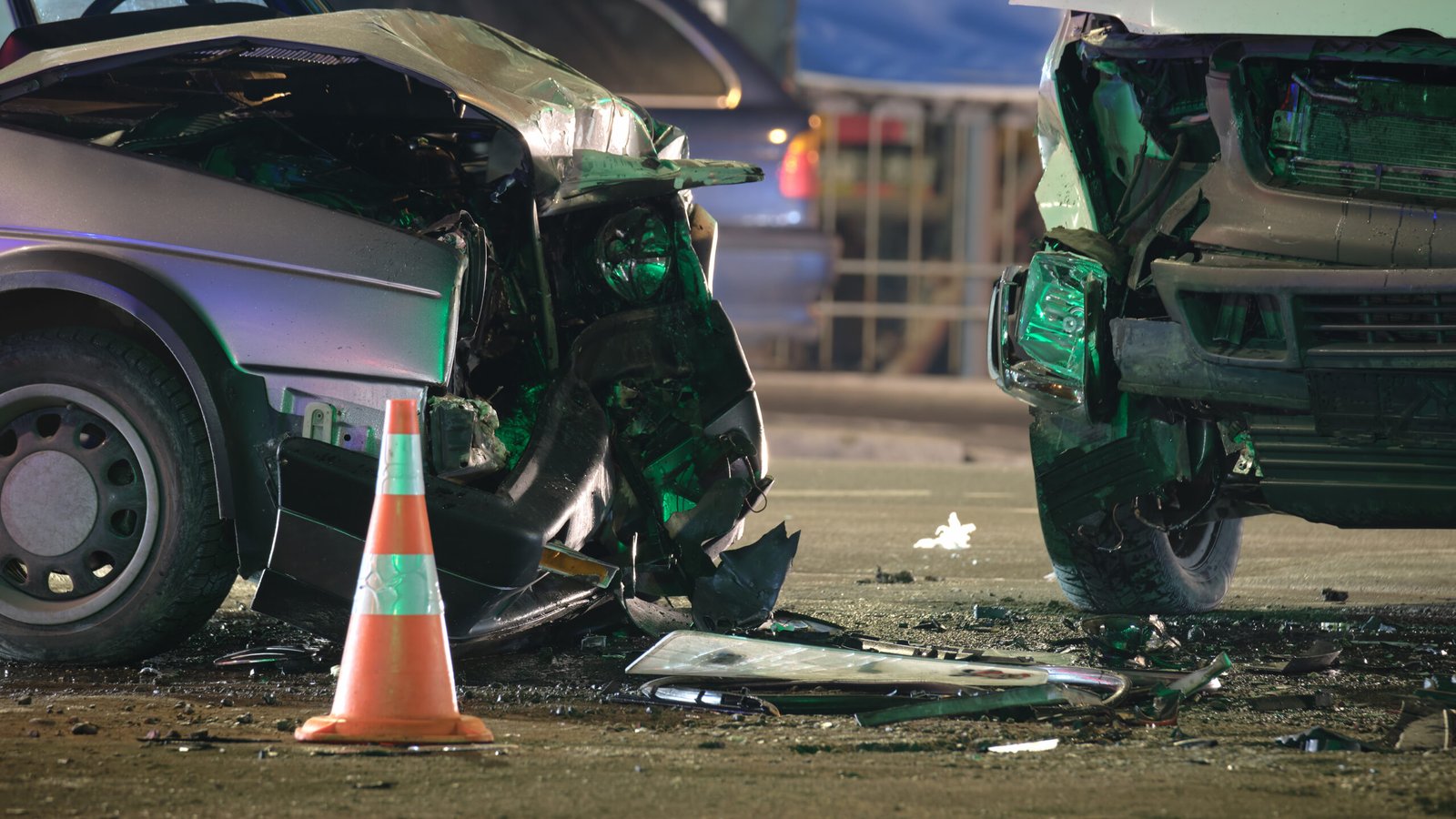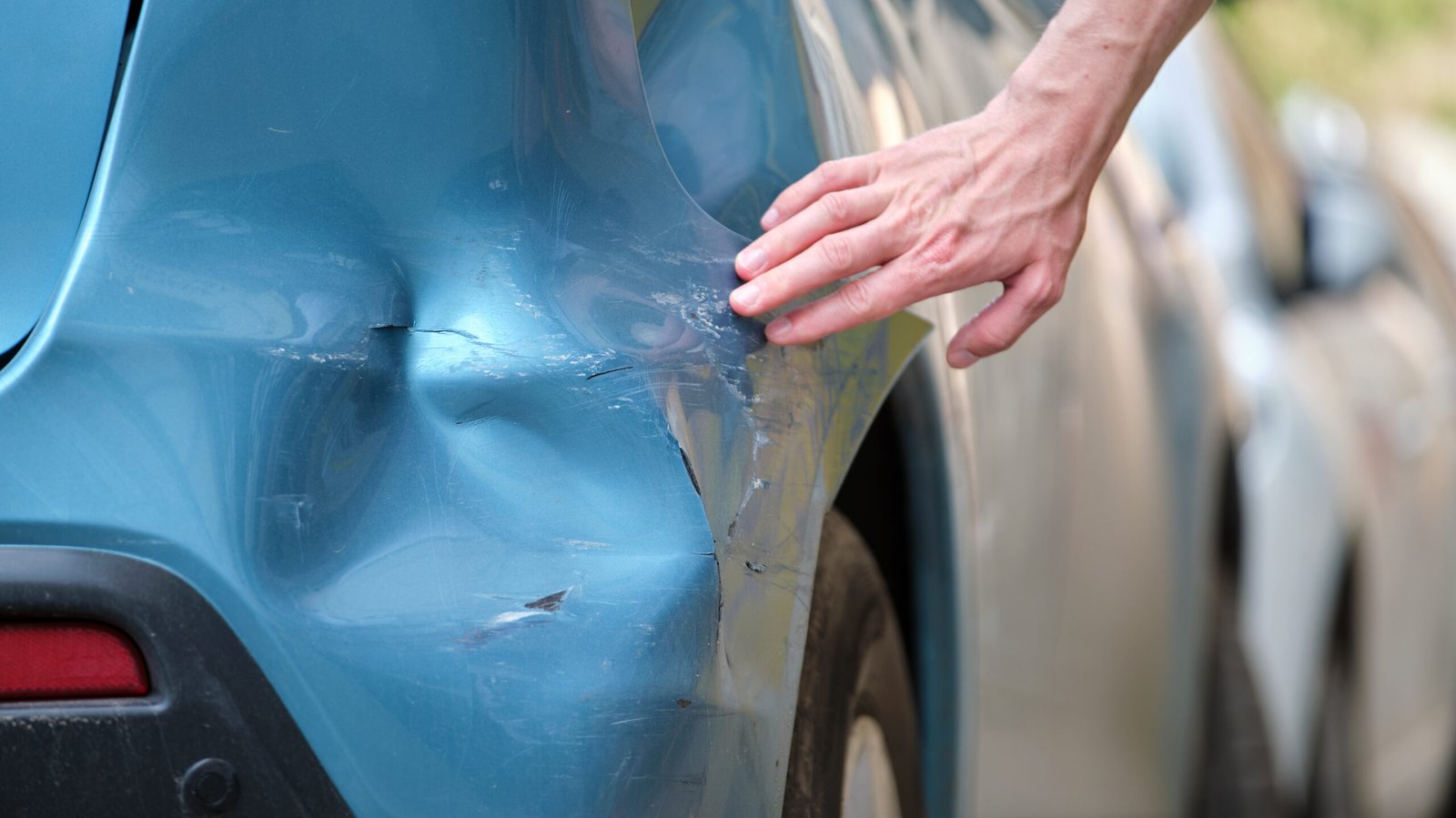
Wildfires are unfortunately becoming a routine hazard in California bringing not only flames, but dense smoke that can impair visibility and disrupt traffic patterns. These conditions can directly contribute to roadway collisions and understanding how liability and insurance coverage work in these circumstances is essential for anyone injured in such an event.

Smoke-Induced Crashes: The Hidden Danger
Wildfire smoke often creates visibility so poor that drivers can see only a few yards ahead raising the risk of chain-reaction accidents.
- A 2025 study by Aguilera and colleagues in American Journal of Epidemiology examines motor vehicle crashes in California during wildfire smoke events from 2010 to 2020, confirming a measurable uptick in collisions tied to smoke-limited visibility (PubMed).
- Legal resources acknowledge that in reduced-visibility scenarios like smoke, every driver is expected to exercise heightened caution such as slowing down and increasing following distance and failure to do so may be considered negligent (Arnold Law Firm).
These conditions can escalate rapidly. The 1990 I-75 fog disaster though fog-related illustrates how quickly low visibility can trigger catastrophic multi-vehicle pileups, providing a valuable precedent for analyzing liability under smoky conditions (Wikipedia).
Legal Responsibility in Smoke Conditions
- Duty of care remains constant: motorists must adapt to changing conditions, including smoke. A driver who fails to reduce speed, drive with caution, or leaves their lights off may bear liability if their inaction contributes to a collision.
- Conversely, if a driver is traveling slowly yet is rear-ended by someone who failed to adjust to the limited visibility, fault typically lies with the rear driver.
- Given the sudden and unpredictable behavior of smoke especially during evacuations courts will weigh context heavily. Evidence like traffic camera footage, weather advisories, and expert testimony becomes vital.
Smoke Damage and Insurance: New Legal Clarity
- In June 2025, a California judge ruled that the California FAIR Plan’s restrictive approach to smoke damage requiring visible or odorous damage and ignoring lab tests was unlawful (Arnold Law Firm, Sumner Law, AP News).
- In March 2025, the California Department of Insurance issued Bulletin 2025-7, clarifying that insurers must conduct thorough, fair investigations of smoke damage even if the damage isn’t visibly obvious, and insurers may be required to fund professional testing or at-home kits when warranted (California Department of Insurance).
Balanced Considerations
- For injured motorists, proving negligence often hinges on the reasonableness of response to reduced visibility. Smoke is notoriously patchy and unpredictable, which can create defenses for drivers who responded prudently.
- For property damage: courts are now more aligned with interpretations that smoke-related injury visually subtle or otherwise—can constitute “direct physical loss,” particularly as insurance regulators demand fair processing (AP News).
- Insurance companies, particularly under the FAIR Plan, are under intense scrutiny. Coverage denial patterns are being challenged, and policyholders may now have stronger legal footing to seek full remediation.

What You Should Do If You’ve Been Injured or Damaged by Smoke
- Document environmental conditions (smoke density, visibility).
- Gather evidence: dashcam, traffic advisories, photos, witness statements.
- Demonstrate that the other driver failed to adjust for conditions.
- Do not discard soot, ash, or residue even if not obviously damaging.
- Request your insurer perform or fund testing; cite Bulletin 2025-7.
- If denied, consult legal help FAIR Plan restrictions are being overturned in court.
About Doyle Accident & Personal Injury Attorneys
At Doyle Accident & Personal Injury Attorneys, we understand the complexities of smoke-related crashes and property losses. Our team combines:
- Proven expertise in evaluating driver conduct under low-visibility conditions.
- Skilled navigation of insurance disputes over subtle but real smoke damage.
- Compassion for clients navigating the aftermath of wildfires where urgency and clarity matter.
If you’ve been injured in a smoke-related crash, call (626) 737-0036 to schedule your free professional case review. Let us help you protect your rights and recover what you deserve.
Resources for Further Research
- California Department of Insurance Bulletin 2025-7 on Smoke Damage Claims (March 7, 2025) (California Department of Insurance).
- June 2025 court ruling against the FAIR Plan’s smoke damage restrictions (AP News).
- The NTSB-documented impacts of the 1990 Interstate 75 fog collapse and resulting safety improvements (Wikipedia).