You pay your premiums. You drive carefully. You follow the rules.
Underinsured motorist protection is the safety net that helps when the at-fault driver’s policy comes up short.
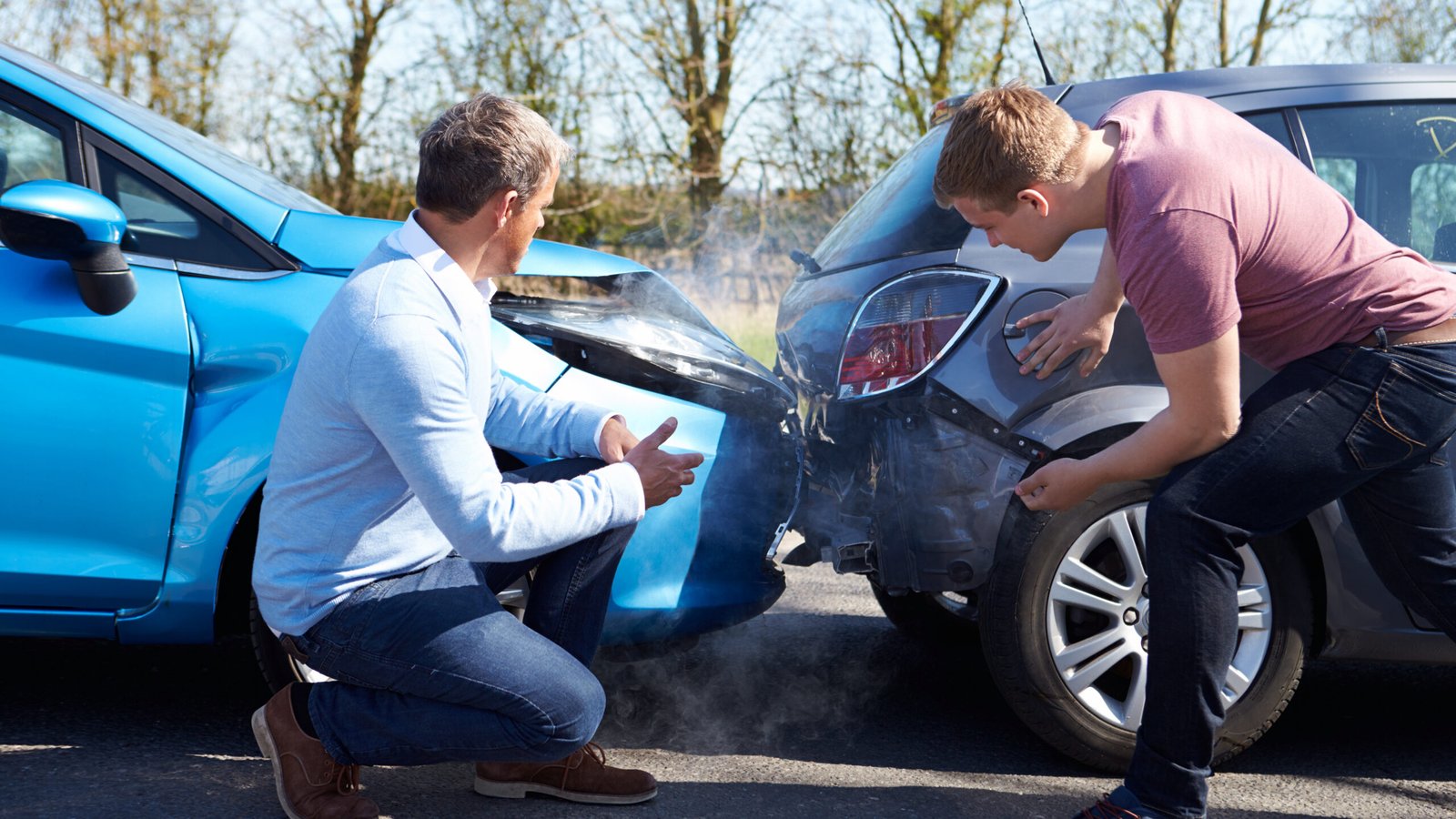
Then one day, you’re stopped at a light on Fremont or rolling through a green on Valley Boulevard… and bam. Someone slams into you. Your car is a mess, your neck is killing you—and then you find out the other driver has no insurance or only the bare minimum.
It feels totally unfair. And honestly, it is.
The good news? That’s exactly what uninsured motorist (UM) and underinsured motorist (UIM) coverage are for. And in 2025, with higher medical costs and changes to California’s insurance laws, understanding this coverage is more important than ever.
If you were hurt by a driver with little or no insurance in Pasadena, Alhambra, or anywhere in Los Angeles County, you don’t have to figure this out on your own. You can call Doyle Accident & Injury Attorneys at (626) 737-0036 for a free consultation to talk through your options.

Why This Matters More Than Ever in 2025
Starting in 2025, California raised its minimum auto liability limits. New policies (and renewals) now need at least:
- $30,000 for injury or death to one person
- $60,000 for injury or death to more than one person
- $15,000 for property damage
That’s better than the old limits—but let’s be real: $30,000 doesn’t go very far anymore.
Think about what a serious crash can involve:
- An ambulance ride and emergency room visit
- X-rays, MRIs, or CT scans
- Follow-up visits and specialist care
- Months of physical therapy or chiropractic care
- Time off work and lost pay
- Ongoing pain or even permanent limitations
Those bills can stack up quickly. And that’s assuming the other driver even has insurance. Many still don’t. Various reports estimate that around 1 in 6 drivers in California are uninsured, and many more carry only the minimum.
So even if you do everything right, there’s a very real chance the person who hurts you has no coverage or nowhere near enough to cover what you’re going through.
That’s where your own UM/UIM coverage comes in.
What Is Uninsured vs. Underinsured Motorist Coverage?
- Uninsured Motorist (UM) This kicks in when the driver who caused the crash has no liability insurance or in some hit-and-run situations where you can’t identify the driver.
- Underinsured Motorist (UIM) This applies when the at-fault driver does have insurance, but their policy isn’t enough to cover your injuries and losses. Your UIM coverage helps fill the gap, up to your UIM limits.
Real-Life Scenarios Where UM/UIM Coverage Really Matters
Let’s make this concrete. Here are a few situations that could easily happen to someone you know in the San Gabriel Valley.
- The “Don’t Call Insurance, I’ll Pay You” Driver
Maria lives in Alhambra. She’s stopped at a red light on Main Street when a driver looking at his phone rear-ends her. Her car lurches forward, her head snaps back, and within minutes her neck is stiff and sore.
At the scene, the other driver says:
“Please, let’s not get insurance involved. I’ll just pay you directly. Just get an estimate and text it to me.”
Maria is shaken and just wants to go home. She agrees, thinking it’s easier.
A few days later:
- Her neck pain is worse.
- She has headaches and trouble sleeping.
- The other driver stops picking up her calls and never responds to her texts.
Eventually she finds out he didn’t have valid insurance at all.
If Maria has Uninsured Motorist coverage, she may be able to make a UM claim with her own insurer. It’s as if her insurance company steps into the shoes of the driver who hit her and may help cover medical bills, lost wages, and other damages.
- The “Not Enough Insurance” Problem
James is a schoolteacher in Pasadena. He’s driving through an intersection on Lake Avenue with the green light when another driver runs the red and t-bones his car.
He ends up with:
- A broken wrist
- A herniated disc in his lower back
- Months of physical therapy
- Time away from the classroom
The other driver has the new California minimum limits: $30,000 per person. Their insurer offers the full $30,000.
It sounds like a big number—until James adds up:
- ER and hospital charges
- Specialist and physical therapy visits
- Ongoing back pain that makes it harder to work and enjoy life
His total damages are well above $30,000. Thankfully, James carries $250,000 in UIM coverage.
With the help of an attorney, James can:
- Collect the at-fault driver’s $30,000, and
- Then seek additional compensation from his own UIM policy up to his actual damages and policy limits.
Without UIM coverage, James might be stuck with a settlement that doesn’t even cover his medical expenses.
- The Hit-and-Run at the Crosswalk
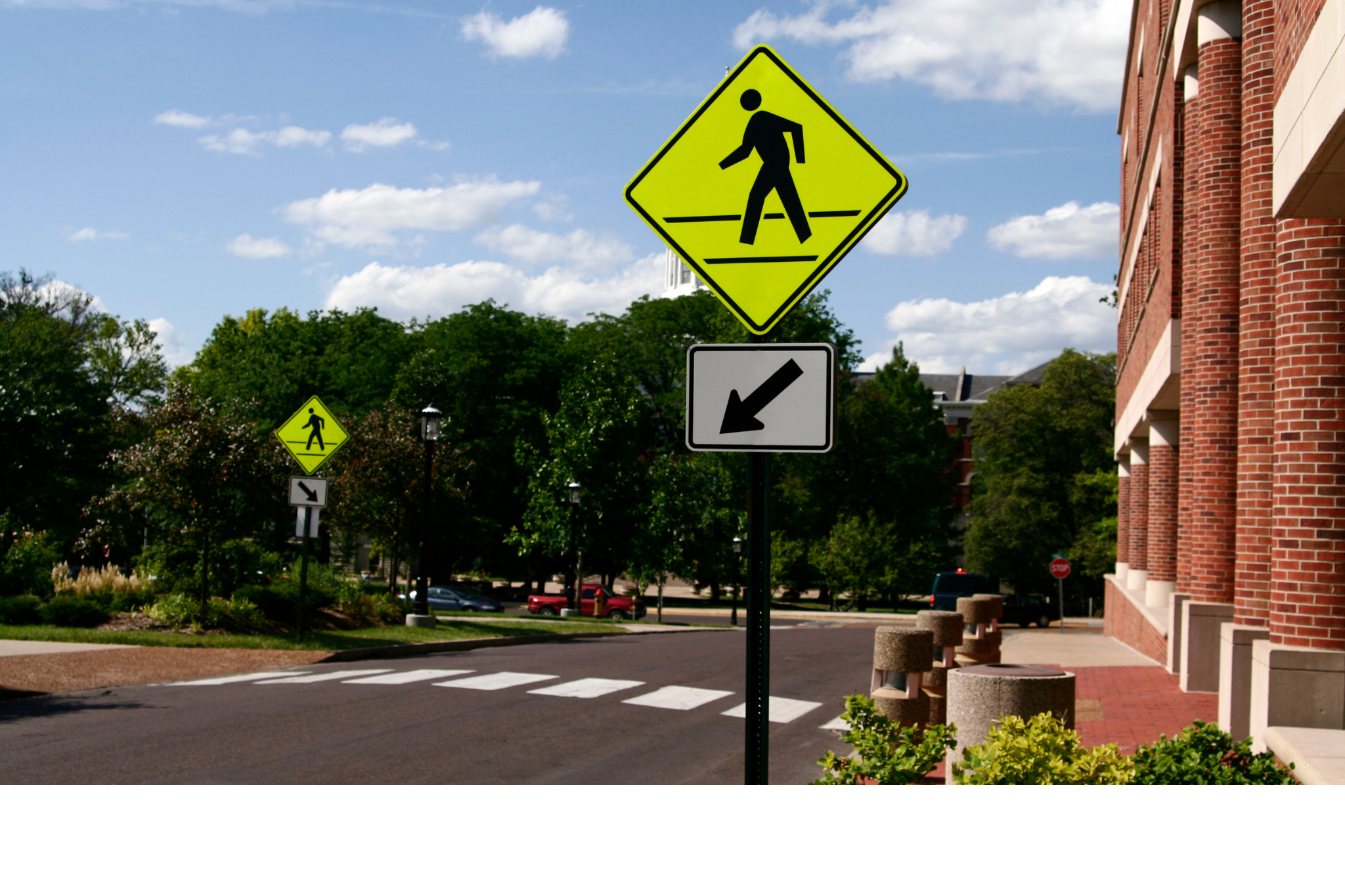
Elaine, a retiree in Pasadena, is walking in a crosswalk near Colorado Boulevard when a speeding car clips her and keeps going. She falls, breaks her hip, and is rushed to the hospital.
The driver never stops.
Police take a report, but no one gets a license plate number. The driver disappears.
If Elaine has Uninsured Motorist coverage and the situation fits her policy’s terms, her own policy could step in to help cover her injuries—despite the fact that the at-fault driver was never identified.
This kind of situation is not rare. Busy streets around Pasadena and the wider San Gabriel Valley see plenty of crashes involving pedestrians every year, especially near popular corridors like Colorado Boulevard and Old Town.
What To Do Right After a Crash With an Uninsured or Underinsured Driver
No one thinks clearly right after a collision. But the steps you take (or don’t take) can make a big difference in your UM/UIM case.
Here’s a simple playbook.
- Get Medical Help First
Documenting injuries and immediately notifying your insurer helps preserve an underinsured motorist claim later
Even if you “feel okay,” get checked out. Adrenaline can hide pain, and some injuries don’t show up immediately.
A prompt medical exam:
- Protects your health
- Creates a record linking your injuries to the crash
- Call the Police
Even if the other driver is begging you not to call, do it anyway.
A police report can help document:
- Who was involved
- Basic facts about what happened
- Signs of fault (like running a red light or following too closely)
- Whether the other driver had insurance
Without a report, your own insurer may question your story or refuse a UM/UIM claim.
- Gather Information and Take Photos
If you can safely do so:
- Take pictures or video of the vehicles, license plates, damage, and the scene
- Photograph skid marks, traffic signals, and any injuries you can see
- Get contact info for any witnesses
- Note any nearby homes or businesses that might have security cameras
The more evidence you have, the harder it is for an insurance company to deny or minimize your claim.
- Don’t “Just Work It Out” in Cash
If someone says, “Let’s not call the police or insurance, I’ll just pay you,” that’s a huge red flag.
They may be:
- Uninsured
- Driving with a suspended license
- Under the influence
- Or just hoping you’ll go away
Your injuries may turn out to be much more serious and much more expensive than they seem that day. Don’t trade your future health and financial stability for a quick handshake and a promise.
- Talk to a Lawyer Before You Rely on Your Insurance Company
You do need to let your insurance company know there was a crash. But remember: insurance companies make money by paying out as little as they can, even on UM/UIM claims from their own customers.
Before you:
- Give a recorded statement
- Sign medical authorizations
- Accept a quick settlement
…it’s smart to talk with an attorney who handles UM/UIM cases all the time and can walk you through the traps to avoid.

How Fault and Comparative Negligence Work in California
California is a fault-based state that uses comparative negligence. In plain English, that means:
- The driver who caused the crash is responsible for the damages
- If you’re found partly at fault, your compensation can be reduced by your percentage of responsibility
Even when comparative negligence is raised, an underinsured motorist claim can still provide substantial compensation reduced only by your percentage share of fault.
In a UM/UIM case, your own insurance company may try to argue that:
- The other driver wasn’t really at fault
- You share more of the blame than you think
- Your injuries aren’t as serious as your doctors say
- Your treatment was unnecessary or excessive
That’s why it helps to treat your UM/UIM claim like a full legal case—not just a simple paperwork request. Evidence, documentation, and strong advocacy matter.
For a deeper breakdown of how compensation works, read our guide on how damages are calculated in California injury cases.
What Can UM/UIM Coverage Pay For?
- Medical bills (ER, hospital, specialists, therapy)
- Future medical care related to the crash
- Lost wages if you missed work
- Reduced ability to earn in the future
- Pain and suffering
- Loss of enjoyment of life
- Property damage (depending on your coverages and the claim setup)
How Doyle Accident & Injury Attorneys Can Help With a UM/UIM Claim
- Review Your Policy and Find All Available Coverage
- Your auto policy declarations
- The fine print on UM/UIM, med pay, and any umbrella coverage
- Whether any other policies in your household might apply
- Build the Evidence
- Police reports and witness statements
- Photos, videos, expert opinions, and crash-related evidence
- Medical records and opinions about your injuries and long-term prognosis
- Employment and wage records to prove lost income
- Negotiate With Your Own Insurer (So You Don’t Have To)
- Handle communications with adjusters
- Push back against lowball offers
- Make it clear the firm is prepared to file a lawsuit if needed
Mistakes to Avoid After a Crash With an Uninsured or Underinsured Driver
- Taking cash at the scene It might feel easier in the moment, but you don’t yet know the real cost of your injuries.
- Not getting a police report Failing to get a report or delaying medical care makes underinsured motorist claims far harder to win.
- Waiting too long to see a doctor If you wait days or weeks, insurance companies love to argue that something else must have caused your pain.
- Posting your life on social media Even innocent-looking posts (a smiling photo, a walk in the park) can be taken out of context and used to downplay your injuries.
When Should You Call Doyle Accident & Injury Attorneys?
- A conversation focused on your situation—how the crash happened, your injuries, and what coverage might be available.
- A review of any insurance information you have and guidance on what else to gather.
- A straightforward explanation of your options—no pressure, no legal jargon, and no upfront fees.
- If the firm takes your case, it’s usually on a contingency fee basis—you don’t pay attorney’s fees unless there’s a recovery for you.
Big Picture: Protect Yourself Before and After the Crash
You can’t control who’s sharing the road with you in Pasadena, Alhambra, or anywhere in LA County. But you can:
- Make sure you carry strong UM/UIM limits, not just the minimum
- Know what steps to take if you’re ever in a crash
- Get help from a lawyer who knows how to use your coverage to actually protect you
If you’re already dealing with the aftermath of a crash, it can feel overwhelming—pain, bills, calls from adjusters, pressure to settle fast.
You don’t have to go through that alone.
Injured in a crash with a driver who has little or no insurance?
Call Doyle Accident & Injury Attorneys at (626) 737-0036 today for a free consultation about your injury case and your options.
References
- California Department of Motor Vehicles – Minimum Liability Insurance Requirements https://www.dmv.ca.gov/portal/vehicle-registration/insurance-requirements/
- California SB 1107 – Changes to Minimum Auto Insurance Limits (Summary and analysis available through various California legal and insurance resources)
- Insurance Information Institute – Facts & Statistics: Uninsured Motorists https://www.iii.org/fact-statistic/facts-statistics-uninsured-motorists
- California Department of Insurance – Consumer Information on Auto Insurance Coverages https://www.insurance.ca.gov
- Local crash data and pedestrian safety discussions – City and County transportation safety reports and public sources for the Los Angeles area