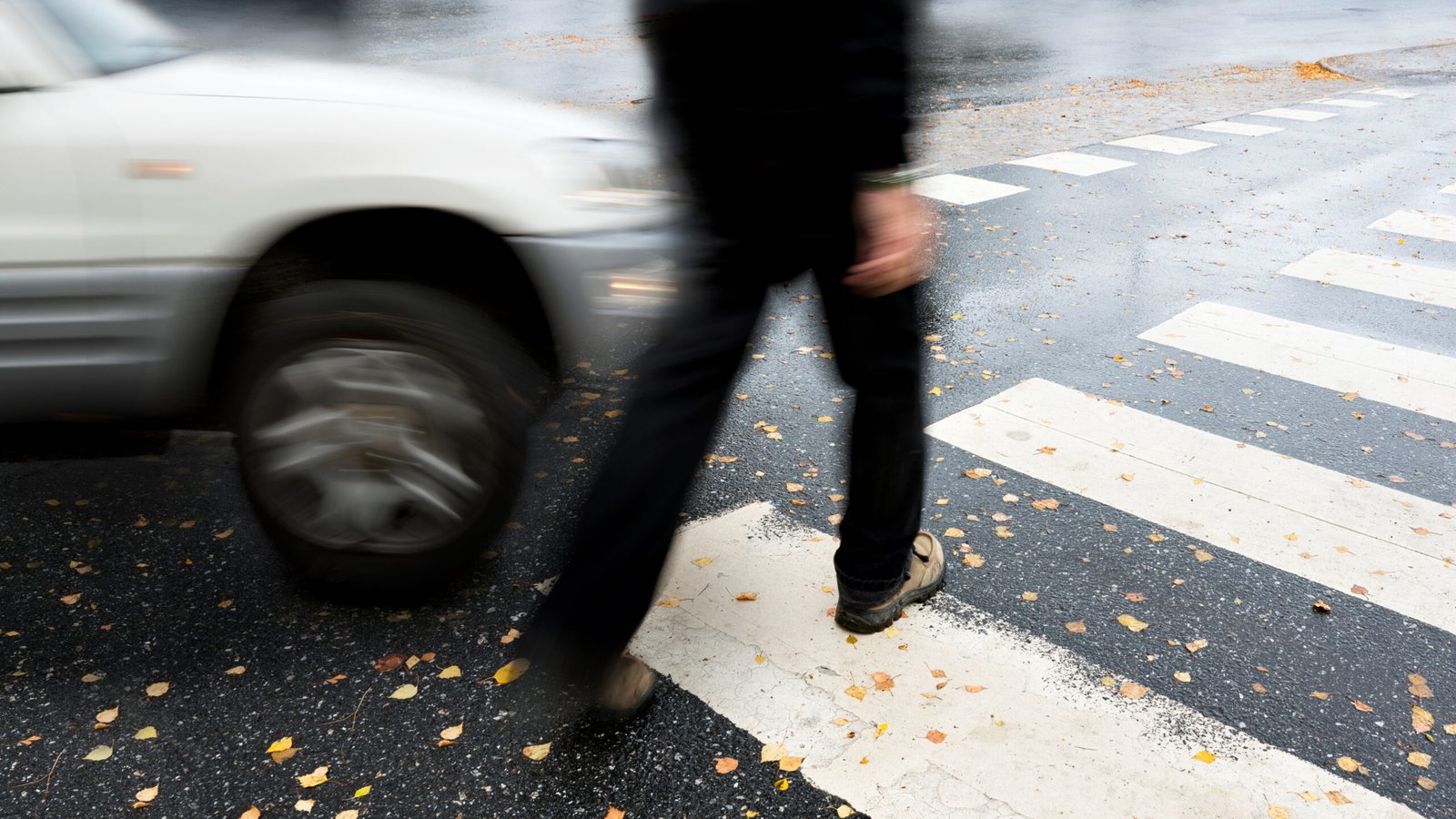
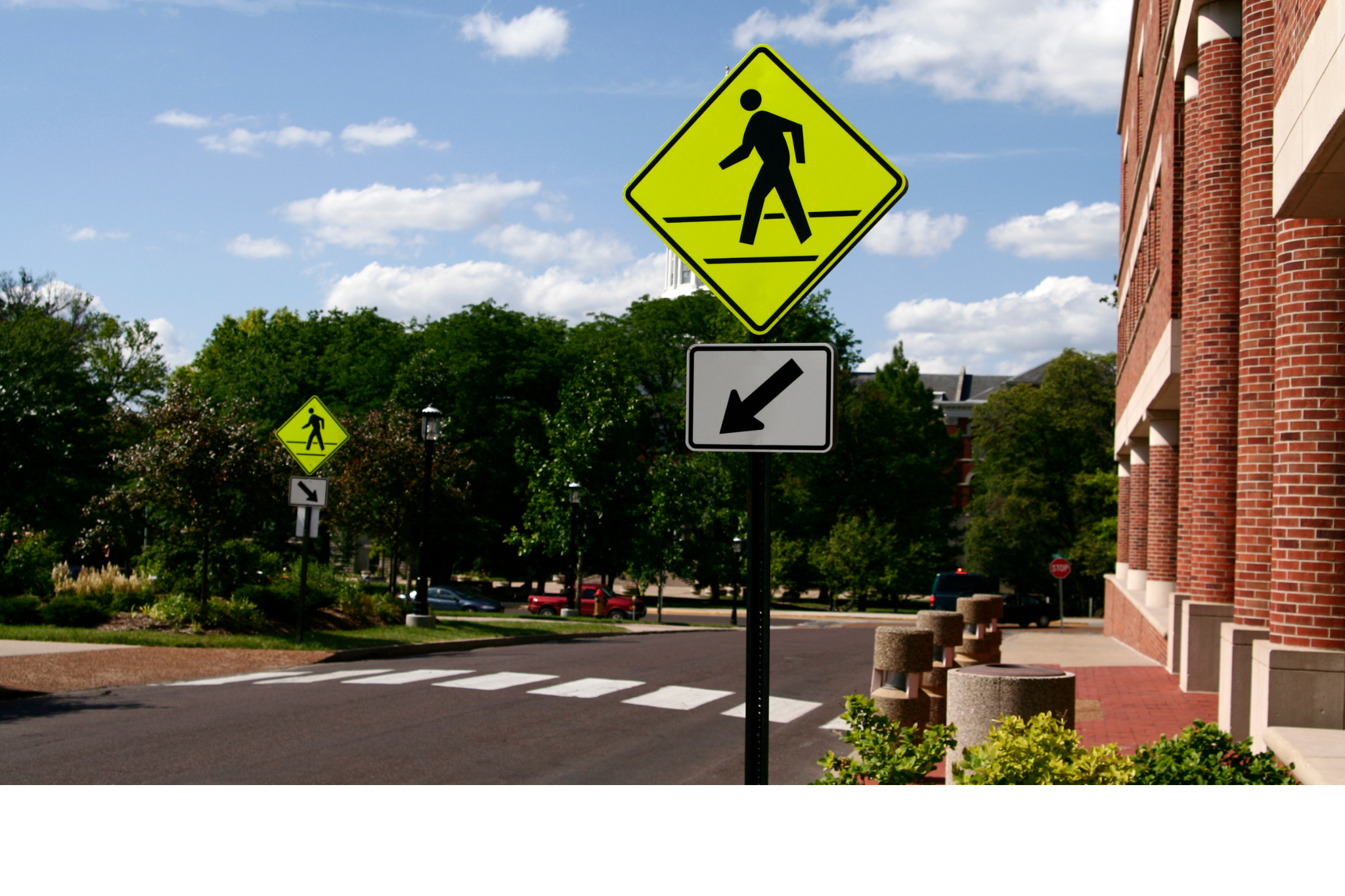
Picture yourself walking toward an intersection in Pasadena.
You look left.
A large SUV is parked almost against the crosswalk, blocking your view of approaching traffic.
You take another step.
At the same moment, a driver approaching the intersection cannot see you because that same parked SUV is blocking the driver’s view.
Suddenly, you are both in the same place at the same time.
A screech of brakes.
An impact.
An ambulance.
And afterward, everyone asks the obvious question:
Who had the right of way?
But California law now encourages investigators to ask another important question:
Why couldn’t the pedestrian and driver see each other sooner?
That is the idea behind California’s Daylighting Law, AB 413.
The law may sound like a parking regulation.
In reality, it is about something much more important:
visibility—and the few seconds that can separate a safe crossing from a devastating pedestrian accident.
If you or someone you love has been struck by a vehicle in a crosswalk or intersection, call Doyle Accident & Personal Injury Attorneys at 626-737-0036 for a free case evaluation.
Doyle serves injured clients throughout Los Angeles County from offices in Pasadena, Alhambra, and Monterey Park.
What Is California’s Daylighting Law?
“Daylighting” means clearing parked vehicles and other visual obstructions near a crosswalk so drivers and pedestrians can see each other before their paths intersect.
California Vehicle Code Section 22500 now generally prohibits stopping, standing, or parking a vehicle within 20 feet of the vehicle-approach side of a marked or unmarked crosswalk.
When a curb extension is present, the distance is generally 15 feet.
The law does allow limited exceptions and permits local governments to establish different distances under specified conditions.
AB 413 became effective January 1, 2024, but the statute allowed jurisdictions to issue warnings rather than citations during 2024 unless the location was already marked with paint or signage.
That warning period is over.
Since January 1, 2025, the restriction can be enforced even where a curb has not been painted red.
Pasadena makes that point explicitly: drivers must obey the 20-foot restriction even when there is no red curb or sign.
Why Would 20 Feet Make Such a Difference?
Because intersections are filled with blind spots.
Imagine a child approaching an intersection behind a parked pickup truck.
From the child’s perspective, the street may appear clear.
From the driver’s perspective, there may be no pedestrian visible at all.
Then the child steps beyond the front of the truck.
The driver suddenly sees the child—but now has far less time to brake.
Removing a vehicle from those last 20 feet can create an earlier line of sight.
That is why the California DMV describes daylighting as a measure intended to improve visibility for pedestrians, cyclists, and approaching drivers.
Monterey Park has also highlighted daylighting as part of its pedestrian-safety efforts, specifically describing how parked vehicles near crosswalks can block sightlines.
This is not an abstract concern.
California recorded 1,106 pedestrian deaths in 2023, according to the California Office of Traffic Safety.
Pasadena Is Enforcing the Rule
The change has a very practical local consequence.
Pasadena’s FY2026 fee schedule lists a $77 parking citation for a violation of Vehicle Code Section 22500(n)(1), parking within 20 feet of a crosswalk.
But the larger issue is not the parking ticket.
It is what can happen when an illegally positioned vehicle contributes to a collision.
A $77 citation is inconvenient.
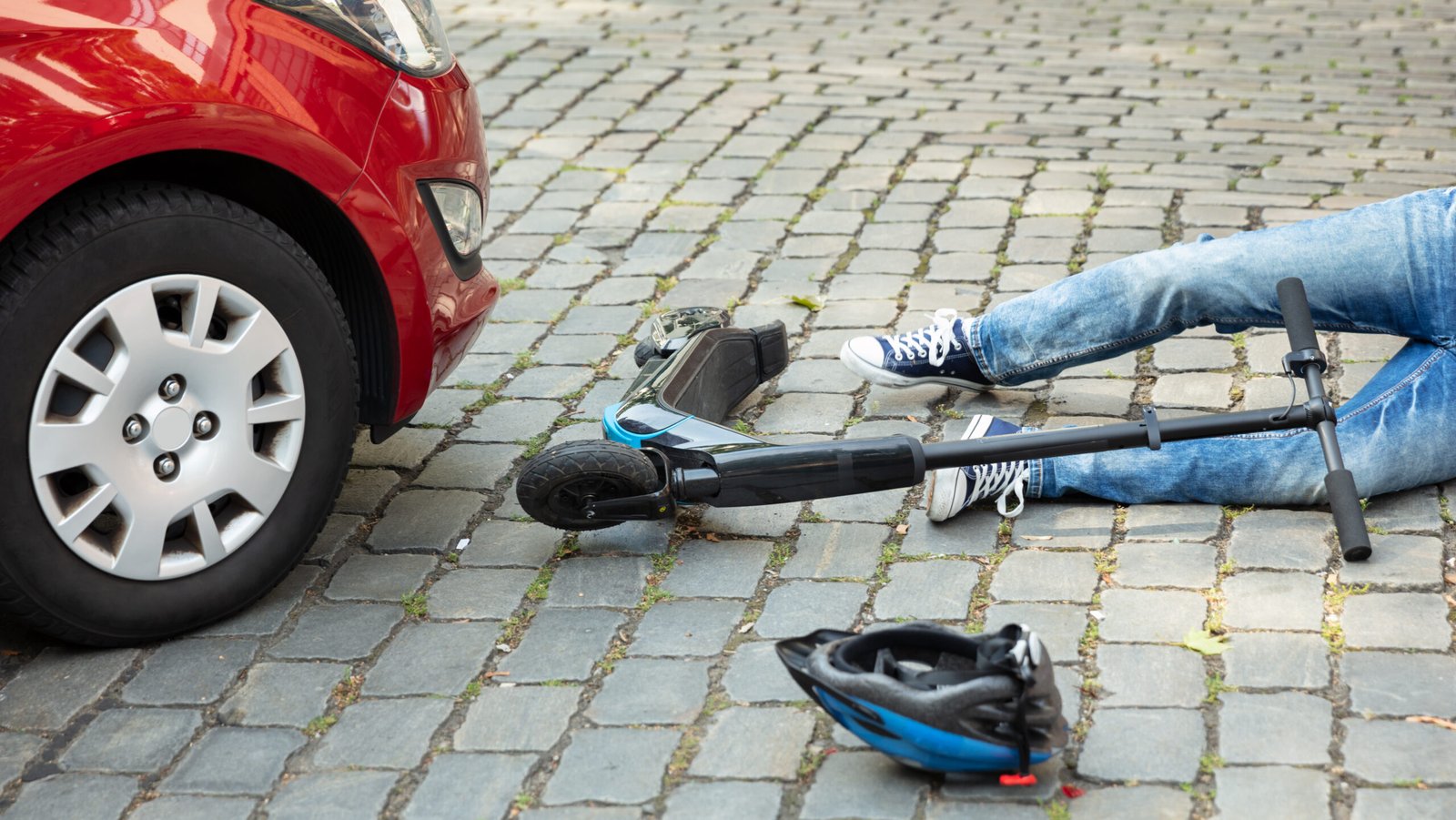
A pedestrian suffering a fractured hip, traumatic brain injury, spinal injury, or permanent disability is something entirely different.
Drivers Still Have a Duty to Protect Pedestrians
Daylighting does not replace California’s existing crosswalk rules.
California Vehicle Code Section 21950 requires motorists to yield to pedestrians crossing within marked crosswalks and within unmarked crosswalks at intersections.
The statute also requires approaching drivers to exercise due care and reduce speed or take other necessary action to protect pedestrians.
That means a driver generally cannot simply say:
“I couldn’t see the pedestrian because a car was parked there.”
Visibility conditions are part of what careful drivers must evaluate.
If sightlines are limited, a reasonable driver may need to slow down and approach with additional caution.
At the same time, pedestrians also have duties under California law. A pedestrian cannot suddenly step into the immediate path of a vehicle that is too close to stop safely.
Accident liability therefore depends on the facts—not slogans about who “always” has the right of way.
Could the Illegally Parked Vehicle Matter in the Injury Case?
Potentially.
Imagine this scenario:
A delivery van is illegally parked eight feet from a crosswalk.
The van completely blocks a driver’s view of a pedestrian.
A motorist turns through the intersection and strikes that pedestrian.
The turning driver may be investigated.
But should the illegally parked van also be ignored?
Not necessarily.
California Evidence Code Section 669 provides that violation of a statute can, when specific requirements are met, create a presumption concerning failure to exercise due care. Among other things, the violation must have caused the injury, the occurrence must be the kind the law was intended to prevent, and the injured person must be within the class the law was designed to protect.
That does not mean every AB 413 parking violation automatically makes the vehicle owner responsible for a pedestrian crash.
Causation still matters.
The evidence must show how the obstruction contributed to what happened.
But in the right circumstances, that parked vehicle may become much more than background scenery.
It may become evidence.
More Than One Party May Share Responsibility
A crosswalk accident can involve several potential sources of fault.
The investigation may consider:
- The driver who struck the pedestrian
- A vehicle owner
- A commercial delivery company
- Someone who illegally parked and obstructed the sightline
- Another motorist whose actions contributed to the collision
- In appropriate cases, a public entity responsible for an allegedly dangerous roadway condition
California follows comparative-fault principles, meaning responsibility can sometimes be divided among multiple parties.
That makes a careful reconstruction of the scene especially important.
The Most Important Photograph May Be the One Nobody Takes
After a pedestrian accident, people naturally photograph the damaged vehicle and the victim’s injuries.
But consider what may happen within an hour.
The illegally parked SUV drives away.
A delivery van leaves.
Traffic changes.
Witnesses disappear.
By the following morning, the intersection may look completely different.
That is why photographs showing vehicle positions, crosswalks, curbs, signs, sightlines, landscaping, temporary construction, and parked vehicles can be extremely valuable.
Other potentially important evidence may include:
- Business surveillance video
- Residential security cameras
- Dashcam footage
- Traffic-camera recordings
- Witness statements
- Police measurements and photographs
- Vehicle event data
- Cellphone evidence if distraction is suspected
- Parking citations or municipal records
Evidence does not wait for the injured person to recover.
What Should You Do After a Crosswalk Accident?
Medical care comes first.
After that, if circumstances allow:
Photograph the entire intersection—not just the striking vehicle.
Record anything that obstructed visibility.
Identify witnesses before they leave.
Look for cameras on nearby homes, restaurants, stores, buses, and vehicles.
Preserve damaged clothing, bicycles, phones, and other physical evidence.
Avoid rushing into a settlement before the full nature of the injuries is understood.
And when serious injuries are involved, consider obtaining legal advice promptly.
Twenty Feet Can Tell a Much Bigger Story
California’s Daylighting Law is easy to dismiss as another parking regulation.
But think again about that SUV sitting next to the crosswalk.
Move it back 20 feet.
The pedestrian can see farther down the road.
The driver can see the pedestrian sooner.
There may be more time to brake.
More time to stop.
More time to prevent the collision entirely.
That is what daylighting is really about.
And after a pedestrian accident, those same 20 feet may help explain why the collision occurred and whether it could have been prevented.
If you or someone you love was struck while walking in Pasadena, Alhambra, Monterey Park, or elsewhere in Los Angeles County, do not assume the police report tells the entire story.
Call Doyle Accident & Personal Injury Attorneys at 626-737-0036 for a free case evaluation.
Doyle has offices in:
Pasadena
301 N. Lake Avenue, 6th Floor
Pasadena, CA 91101
Alhambra
560 W. Main Street, Suite C-244
Alhambra, CA 91801
Monterey Park
199 W. Garvey Avenue, Suite 206
Monterey Park, CA 91754
The firm’s current website confirms these locations and telephone number.
Call 626-737-0036 for a free case evaluation.
Because sometimes the key to understanding a pedestrian accident is not only who was moving.
It is what was blocking the view.
Glossary
AB 413: California legislation that created the statewide crosswalk “daylighting” parking restrictions.
Comparative Fault: A system allowing responsibility for an accident to be divided among multiple parties according to their respective fault.
Crosswalk: A pedestrian crossing that may be marked with pavement lines or legally exist unmarked at an intersection.
Daylighting: Removing parked vehicles or other obstructions near intersections to improve visibility.
Due Care: The level of reasonable caution expected under the circumstances.
Liability: Legal responsibility for an injury or loss.
Marked Crosswalk: A pedestrian crossing identified by painted roadway markings.
Negligence: Failure to exercise reasonable care under the circumstances.
Sightline: The area a driver or pedestrian can clearly see.
Unmarked Crosswalk: A legally recognized crossing at qualifying intersections even without painted crosswalk lines.
References
- California Vehicle Code §22500(n) — Statewide daylighting restrictions near marked and unmarked crosswalks.
- California Vehicle Code §21950 — Driver and pedestrian duties at crosswalks.
- California Evidence Code §669 — Statutory requirements concerning the presumption of failure to exercise due care.
- California DMV — New Laws in 2024 — State explanation of AB 413 and daylighting.
- City of Pasadena Department of Transportation — Daylighting Law — Local explanation and enforcement guidance.
- City of Monterey Park — Daylighting Law — Local pedestrian-safety explanation of AB 413.
- California Office of Traffic Safety — Traffic Safety Quick Stats — State pedestrian fatality data.
This article is provided for general informational purposes only and does not constitute legal advice. Liability depends on the facts, evidence, applicable law, and deadlines of each individual case.
#CaliforniaDaylightingLaw #AB413 #PasadenaPedestrianAccidentLawyer #CrosswalkAccidentAttorney #PedestrianAccidentLawyer #PasadenaPersonalInjuryAttorney #AlhambraAccidentLawyer #MontereyParkAccidentLawyer #LosAngelesCountyAttorney #PedestrianSafety #CrosswalkSafety #CaliforniaPersonalInjury #SanGabrielValley #DoyleAccidentAttorneys